
www.auto-innovations.net
08
'26
Written on Modified on
Regional Truck Platform Debuts with Efficiency Upgrades
Volvo Trucks North America presents redesigned regional-haul vehicle and connected fleet technologies at Truck World 2026 in Canada.
www.volvotrucks.com
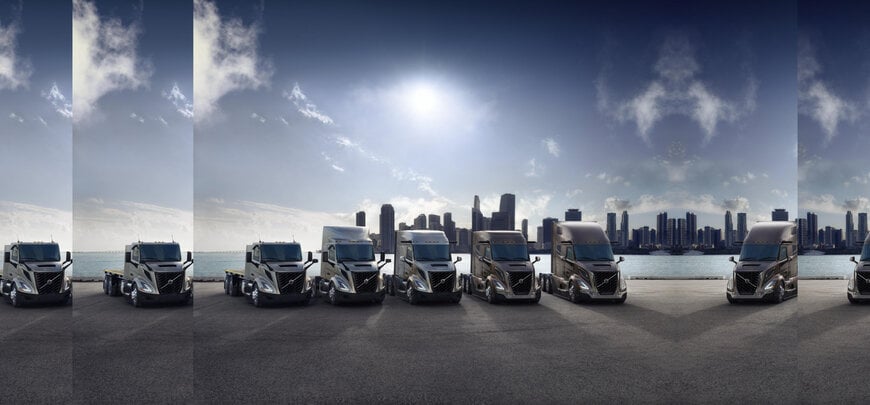
Volvo Trucks North America will present a redesigned regional-haul truck platform alongside connected vehicle and training technologies at Truck World 2026. The event, scheduled for April 16–18 in Mississauga, Ontario, serves as the first public Canadian showing of the new vehicle architecture.
Focus on regional haul performance and efficiency
The newly introduced regional truck platform is engineered for short- to medium-distance freight operations, where fuel efficiency, maneuverability, and driver uptime are critical performance factors. Production of the platform began in February 2026 at the New River Valley manufacturing facility in the United States.
The redesign targets three primary engineering parameters: aerodynamic efficiency, operational safety, and driver ergonomics. Improvements in fuel efficiency are supported by updated vehicle geometry and system integration, while the cab architecture emphasizes driver-centric controls and workspace optimization.
Two configurations of the platform will be displayed, reflecting variations in fleet requirements such as payload distribution and route profiles.
Integration of camera-based visibility systems
In parallel, the company will showcase long-haul truck models equipped with a camera monitor system that replaces conventional side mirrors. This system uses external cameras and in-cab displays to expand the driver’s field of view while reducing aerodynamic drag.
Compared with mirror-based systems, camera monitoring can reduce blind spots and contribute to incremental fuel savings through improved airflow management. These systems are increasingly adopted in heavy-duty vehicle design, particularly where regulatory frameworks permit digital visibility solutions.
Connected vehicle systems and digital supply chain integration
The exhibition will also highlight advancements in connected vehicle technologies, including remote programming capabilities. These systems allow fleet operators to update vehicle software and configurations without requiring physical workshop intervention.
Such capabilities are part of a broader digital supply chain transformation in commercial transport, where vehicle data, diagnostics, and maintenance planning are integrated into centralized fleet management systems. This reduces downtime and supports predictive maintenance strategies.
Training and simulation using immersive technologies
A dedicated training platform will be demonstrated using virtual reality-based modules. The system enables technicians and fleet personnel to interact with vehicle systems in a simulated environment, improving familiarity with maintenance procedures and reducing training time.
The use of immersive simulation aligns with industry trends toward digital workforce training, particularly for increasingly software-defined vehicles.
Industry context and technology roadmap
During the event, company representatives are expected to outline developments in alternative propulsion systems, including battery-electric and hydrogen-based powertrains. These technologies are central to ongoing efforts to reduce emissions in freight transport.
Additional discussions will address autonomous vehicle technologies and their integration into commercial operations, as well as the use of recycled materials in vehicle components as part of sustainability initiatives.
The event will also include panel sessions on the future of freight, focusing on infrastructure requirements and comparative performance of emerging powertrain technologies.
Application scope in commercial transport
The technologies presented are targeted at fleet operators managing regional and long-haul logistics networks. By combining vehicle redesign, digital connectivity, and training systems, the platform reflects a shift toward integrated transport solutions.
These developments indicate a continued move toward data-driven fleet operations, where vehicle performance, driver experience, and maintenance processes are interconnected within a unified operational framework.
Edited by an industrial journalist Sucithra Mani with AI assistance.
www.volvogroup.com
