
www.auto-innovations.net
25
'26
Written on Modified on
FEV Connects AI, Electrification and Robotics Across Emerging Mobility Applications
Digital twins, solid-state batteries, humanoid robots, hydrogen engines and autonomous systems demonstrate technology transfer from mobility to aerospace and defense.
www.fev.com
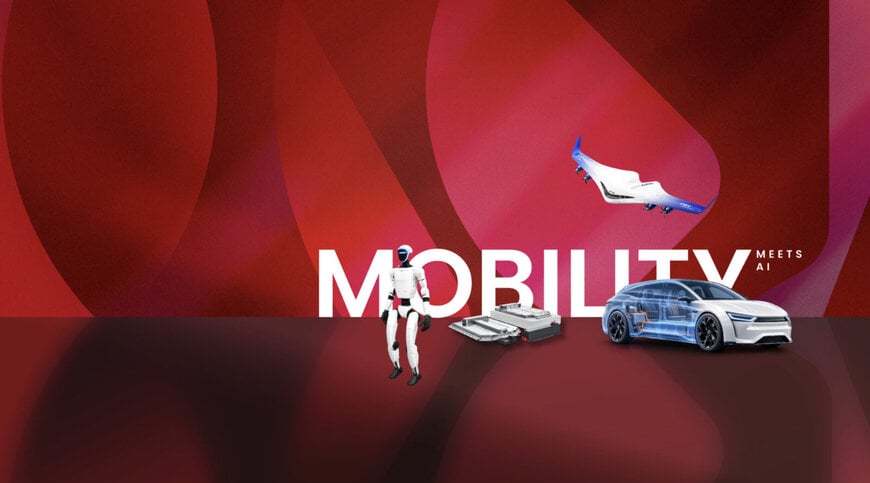
FEV will present its cross-industry engineering portfolio at the 35th Aachen Automotive Colloquium, highlighting developments across automotive electrification, artificial intelligence, and specialized robotic hardware. The technological demonstrations focus on transferring mobility architectures to commercial transport, aerospace propulsion, marine defense, and heavy-duty hydrogen combustion systems.
Digital Supply Chain Integration and Virtual Vehicle Engineering
The software division FEV.io developed a digital twin platform that models complete operational fleets down to individual vehicle components and subcomponents. The platform pairs real-time operating data and field diagnostics with machine learning models to deliver automated predictive maintenance schedules, route optimization, and operational efficiency analysis. Configured as a modular system, the digital architecture supports multi-fleet deployment to decrease energy consumption and operating expenditure.
For early-stage powertrain development, the Aachen-based engineering provider will showcase GenAISys, a multi-objective artificial intelligence system designed for the virtual design and parameterization of battery electric vehicle concepts. Conference sessions will detail corresponding data-driven computer-aided engineering workflows alongside organizational structures that integrate artificial intelligence into engineering research units.
Advanced Traction Inverters and Solid-State Battery Systems
The technical exhibition features a solid-state battery module engineered in collaboration with ProLogium. The packaging integrates lithium-ceramic solid-state cell architecture with proprietary module-level thermal dissipation, mechanical impact protection, and battery management system controls.
Electrified propulsion hardware on display includes an integrated electric drive unit featuring a silicon carbide power inverter paired with a high-speed permanent-magnet synchronous motor. The stator core incorporates ultra-thin amorphous electrical steel laminations, while the rotor assembly utilizes permanent magnets engineered entirely without heavy rare-earth elements like dysprosium and terbium.
Aerospace Propulsion and Commercial Vehicle Structures
Aero Alpha demonstrates the transfer of electric traction systems into commercial aviation. The hybrid flight architecture combines hydrogen fuel cells, electrochemical battery packs, and distributed electric propulsion within an aerodynamically optimized airframe and cabin layout. A dedicated technical presentation will detail the degradation and thermal performance of high-energy lithium-metal cells intended for electric vertical takeoff and landing aircraft.
Commercial road transport exhibits feature exterior cab structural components developed for the Mercedes-Benz eActros battery-electric heavy truck. Structural components highlight lightweight composite and structural integration techniques that satisfy commercial vehicle crash-safety and aerodynamic drag requirements.
Hydrogen Combustion Thermal Management and Subsea Robotics
For internal combustion systems transitioning to zero-carbon fuels, FEV engineered a dedicated aluminum cylinder head for heavy-duty hydrogen engines. Because hydrogen combustion exhibits high laminar flame speeds and elevated localized heat fluxes, the cylinder head integrates micro-cooling channels situated directly adjacent to the direct fuel injector and spark plug. This targeted flow distribution dissipates thermal loads while enhancing overall structural stiffness, resolving thermal fatigue issues that historically required heavier cast iron in high-output heavy-duty engines.
Robotic systems on display include FEVBot, an autonomous bipedal robot providing interactive demonstrations at the venue. Engineering analyses of disassembled Unitree actuators will illustrate cost benchmarking and electromechanical torque-density assessments. Additionally, an autonomous underwater drone demonstrator highlights safety-critical systems engineering, cybersecurity validation, and functional safety frameworks certified for subsea defense operations.
The Aachen Automotive Colloquium convenes from October 5 to 7, 2026, at Kurhaus Aachen, with technical displays positioned at Stand 9.
Additional Context:
This section details technical specifications and competitive benchmarking not included in the original product announcement
The primary engineering benchmarks across advanced traction motors involve core magnetic losses, inverter switching efficiency, and rare-earth material dependency. Amorphous alloy stator cores, composed of non-crystalline iron-boron-silicon ribbon laminations with thicknesses typically around 0.025 millimeters, reduce iron core losses by up to 70 percent compared to conventional non-oriented silicon electrical steel sheets that measure 0.25 to 0.35 millimeters. Operating with silicon carbide wide-bandgap inverters switching at frequencies exceeding 20 kilohertz, amorphous steel topologies minimize high-frequency eddy current losses, reaching overall motor efficiencies above 97 percent under high-speed operation. Direct competitors such as BorgWarner, Bosch, and ZF predominantly manufacture permanent-magnet motors using conventional grain-oriented or thin-gauge electrical steel sheets paired with neodymium-iron-boron magnets requiring dysprosium or terbium to preserve high-temperature coercivity.
In battery systems, conventional production electric vehicles use liquid-electrolyte nickel-manganese-cobalt or lithium iron phosphate cells with volumetric energy densities ranging from 450 to 700 watt-hours per liter. The solid-state cell architecture developed with ProLogium utilizes a 100 percent silicon composite anode alongside a ceramic-based solid electrolyte separator, attaining volumetric energy densities between 750 and 820 watt-hours per liter. The non-flammable solid electrolyte mitigates thermal runaway risks under thermal stress and mechanical penetration, facilitating simplified cooling plate packaging and tighter volumetric integration than traditional liquid-electrolyte packs require.
In the heavy-duty hydrogen combustion domain, cylinder heads from diesel conversions typically retain heavy cast-iron alloys to withstand peak firing pressures between 180 and 220 bar and to resist localized thermal cracking. By implementing additive manufacturing or precision casting with integrated micro-cooling passages, FEV's aluminum cylinder head maintains structural compliance under comparable mechanical pressures while reducing engine component mass by roughly 30 to 40 percent relative to cast-iron benchmarks.
Edited by Natania Lyngdoh, Induportals editor, assisted by AI.
www.fev.com
