
www.auto-innovations.net
07
'26
Written on Modified on
Hydrogen Fuel Cell Integration for Next-Generation Transit Platforms
Ballard Power Systems and Solaris have expanded their long-term supply agreement to integrate high-efficiency fuel cell engines into second-generation hydrogen bus architectures.
www.ballard.com
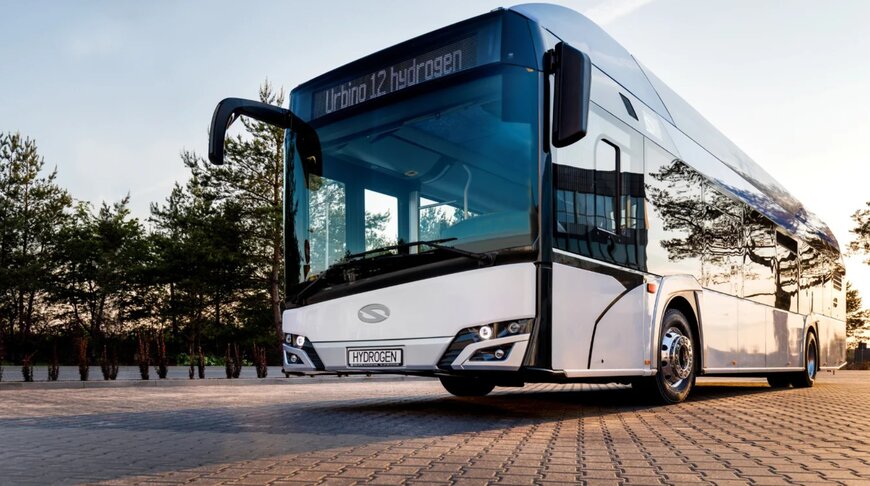
Ballard Power Systems and Solaris are collaborating to deploy advanced hydrogen fuel cell technology for the European public transport sector. This cooperation focuses on the integration of the FCmove®-SC engine into the Solaris Generation 2 fuel cell bus, targeting long-range, high-utilization transit applications where operational uptime and refueling speed are critical requirements.
Technical Alignment and System Architecture
The cooperation addresses the requirement for reduced Total Cost of Ownership (TCO) in industrial automation and zero-emission heavy-duty transport. Under the updated Long-Term Supply Agreement (LTSA), effective through 2029, Ballard serves as the primary technology provider, while Solaris manages vehicle integration and chassis optimization.
The FCmove®-SC platform utilizes a simplified system architecture compared to previous iterations. Key technical improvements include:
- Enhanced Thermal Management: Optimized for high-duty cycles to maintain stack longevity.
- Operational Durability: Designed for extended service intervals in demanding urban environments.
- Standardized Interfaces: Modular design facilitates easier integration into existing digital infrastructure used by transit fleet operators for telematics and maintenance monitoring.
Deployment and Lifecycle Management
The implementation phase involves the rollout of the Solaris Generation 2 platform, utilizing the fuel cell engine as the primary power source. By streamlining the balance-of-plant components, the partners aim to increase fuel efficiency and reduce the physical footprint of the powertrain. This allows for greater passenger capacity and optimized weight distribution.
The extended agreement also aligns commercial and technical support terms to ensure lifecycle value. Ballard provides the core fuel cell stacks and control software, while Solaris integrates these into the vehicle’s energy management system. This configuration is specifically engineered to meet European regulatory standards for heavy-duty zero-emission vehicles.
Operational Impact and Performance
The integration of the FCmove®-SC engine provides a scalable solution for transit agencies transitioning away from internal combustion engines. Unlike battery-electric alternatives, which may require extensive charging downtime, the hydrogen-powered Generation 2 bus maintains a high utilization rate similar to diesel-equivalent duty cycles.
The technical synergy between the two companies ensures that the resulting bus platform meets the rigorous demands of the mature European bus market, focusing on process stability and long-term maintainability for municipal operators.
Edited by Evgeny Churilov, Induportals Media - Adapted by AI.
www.ballard.com
The implementation phase involves the rollout of the Solaris Generation 2 platform, utilizing the fuel cell engine as the primary power source. By streamlining the balance-of-plant components, the partners aim to increase fuel efficiency and reduce the physical footprint of the powertrain. This allows for greater passenger capacity and optimized weight distribution.
The extended agreement also aligns commercial and technical support terms to ensure lifecycle value. Ballard provides the core fuel cell stacks and control software, while Solaris integrates these into the vehicle’s energy management system. This configuration is specifically engineered to meet European regulatory standards for heavy-duty zero-emission vehicles.
Operational Impact and Performance
The integration of the FCmove®-SC engine provides a scalable solution for transit agencies transitioning away from internal combustion engines. Unlike battery-electric alternatives, which may require extensive charging downtime, the hydrogen-powered Generation 2 bus maintains a high utilization rate similar to diesel-equivalent duty cycles.
The technical synergy between the two companies ensures that the resulting bus platform meets the rigorous demands of the mature European bus market, focusing on process stability and long-term maintainability for municipal operators.
Edited by Evgeny Churilov, Induportals Media - Adapted by AI.
www.ballard.com
