
www.auto-innovations.net
13
'26
Written on Modified on
Integration of Wet Multi-Plate Brakes in Electric Axles
Schaeffler is testing encapsulated wet multi-plate braking systems on high-performance vehicle platforms to evaluate thermal management and friction stability for electric vehicles.
www.schaeffler.com
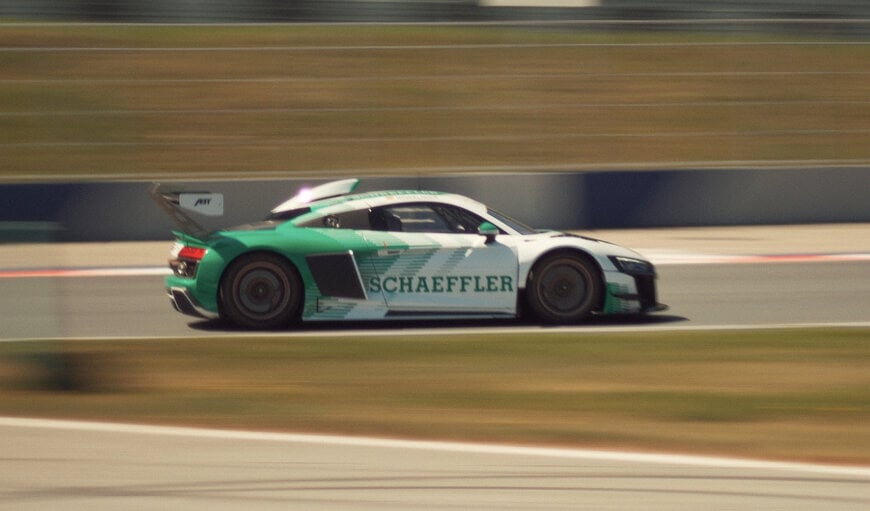
Schaeffler deployed an encapsulated wet multi-plate brake system in an Audi R8 LMS GT2 innovation taxi during the DTM event at the Nürburgring from August 14 to 16. The operational trial evaluates thermal behavior, torque durability, and friction stability of zero-emission mechanical braking technology intended for future e-axle architectures.
Operational Challenges and System Integration
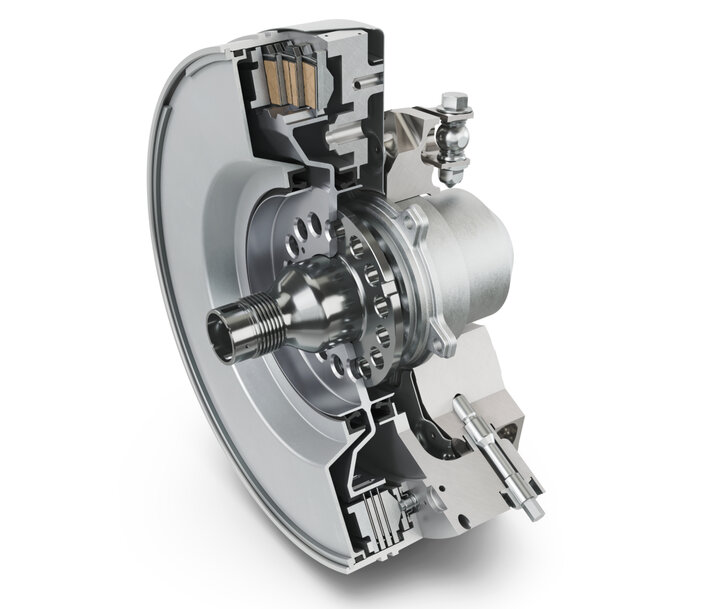
Mechanical braking components in battery electric vehicles encounter unique operating conditions due to primary deceleration being handled by regenerative electric motors. Infrequent mechanical brake engagement often leads to surface corrosion on conventional open disc systems, resulting in fluctuating friction coefficients. Furthermore, upcoming Euro 7 environmental standards necessitate the reduction or elimination of brake dust particulate emissions. To address these requirements within digital infrastructure and modern chassis designs, Schaeffler integrated a wet multi-plate brake unit directly into the rear wheels of a high-performance track platform. The fully enclosed architecture prevents moisture exposure, thereby maintaining stable friction coefficients and consistent stopping performance without generating external fine dust emissions.
Thermal Management and Engineering Architecture
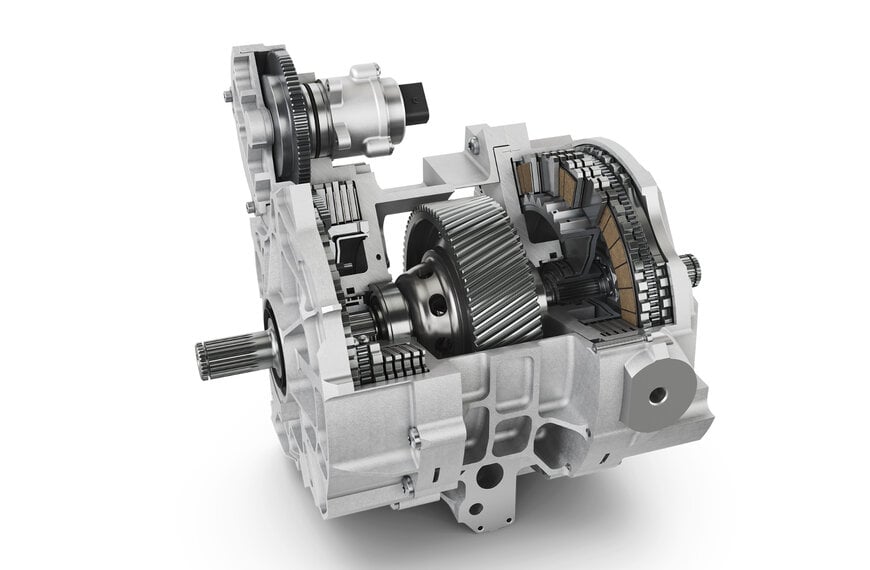
Encapsulating the wheel brake requires dedicated fluid circuits to dissipate high thermal energy during dynamic deceleration cycles. The system utilizes a thermal management setup consisting of hydraulic pressure and suction pumps paired with multiple heat exchangers. This fluid architecture enables controlled oil circulation across the friction surfaces to maintain operating temperatures within target boundaries. The empirical data gathered from extreme track conditions serves as the baseline for engineering highly integrated electric axle modules that unify the mechanical brake, electro-hydraulic actuator, and cooling circuit into a single unit.
Application Scope and Implementation Pathways
Prior to track deployment, Schaeffler presented an initial concept vehicle featuring the integrated wet brake to industry representatives at the Schaeffler Automotive Symposium held during June in Bühl, Germany. Beyond eliminating fine dust emissions, the fluid-cooled multi-plate system reduces unsprung mass at the wheel assembly, improving ride characteristics and chassis response. The low-maintenance, noise-free configuration offers structural advantages for brake-by-wire implementations and autonomous driving architectures where high system availability and zero maintenance intervals are prioritized.
Technical Evaluation
Regarding the system evaluation, Matthias Zink, Member of the Executive Board Powertrain and Chassis at Schaeffler, stated: "The DTM is an environment to test new technologies under real extreme conditions. With the multi-plate brake, we show a solution that is being used in motorsport in this form for the first time and at the same time provides important impulses for series development."
Addressing the fluid cooling requirements, Andreas Wassmer, Head of Concept Vehicle Development at Schaeffler, noted: "The specific system in the innovation taxi is a special motorsport solution. Under the highly dynamic operating conditions, very high cooling outputs per brake are required. The data and experience derived from this form the basis for designing an efficient oiling strategy for future e-axles with an integrated brake system."
Edited by Maria Brueva, Induportals editor – adapted by AI.
www.schaeffler.com
