
www.auto-innovations.net
18
'26
Written on Modified on
ROHM Supplies Silicon Carbide for BMW Neue Klasse EVs
The SiC MOSFETs enhance energy efficiency, range, and charging performance in BMW’s next-generation 800V electric powertrains.
www.rohm.com
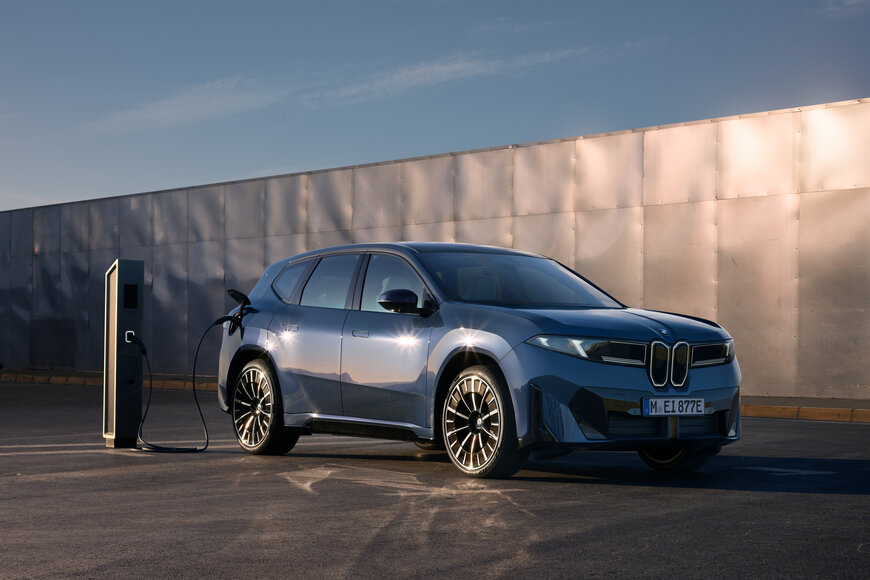
ROHM Semiconductor has announced that its innovative Silicon Carbide (SiC) power semiconductor chips will be integrated into the electric powertrain architecture of BMW’s "Neue Klasse" electric vehicle platform. The high-performance SiC MOSFETs are designed to support critical power electronics functions within BMW's Generation 6 eDrive systems, ensuring robust and reliable operation under demanding automotive conditions.
By utilizing ROHM's advanced SiC technology, the premium automaker aims to maximize overall energy efficiency, directly optimizing driving range and charging performance for its next generation of electric mobility. Wolfram Harnack, President of ROHM Semiconductor GmbH, highlighted that the integration underscores ROHM's extensive expertise in automotive power electronics and reinforces the company's long-term commitment to advancing the decarbonization of mobility alongside global Tier 1 suppliers and vehicle manufacturers.
Additional Context
This section provides technological and market background not explicitly detailed in the original release.
BMW’s "Neue Klasse" represents a pivotal shift to the automaker's Generation 6 eDrive technology, which transitions the vehicle's electrical architecture to an advanced 800-volt system. To fully leverage the benefits of 800V architectures—such as 400 kW ultra-fast charging and up to a 30 percent increase in range—automakers are replacing traditional silicon IGBTs with Silicon Carbide (SiC) MOSFETs in the main traction inverter. SiC semiconductors possess a wider bandgap, allowing them to switch at significantly higher frequencies with drastically reduced conduction and switching losses. This superior thermal and electrical efficiency minimizes energy dissipation as heat, allowing engineers to shrink the size of passive cooling components and reduce the overall weight and footprint of the electric drive unit. Consequently, integrating SiC at the inverter level directly translates into more kilometers driven per kilowatt-hour of battery capacity.
Edited by Lekshman Ramdas, Induportals editor – adapted by AI.
www.rohm.com
