
www.auto-innovations.net
13
'26
Written on Modified on
How Racing Engineers Are Solving High-Pressure Hydrogen Storage
JCB Hydromax, Toyota Gazoo, and Ligier Automotive deploy advanced hydrogen storage tanks to solve fuel containment under extreme motorsport and industrial loads.
induportals-media-publishing.com
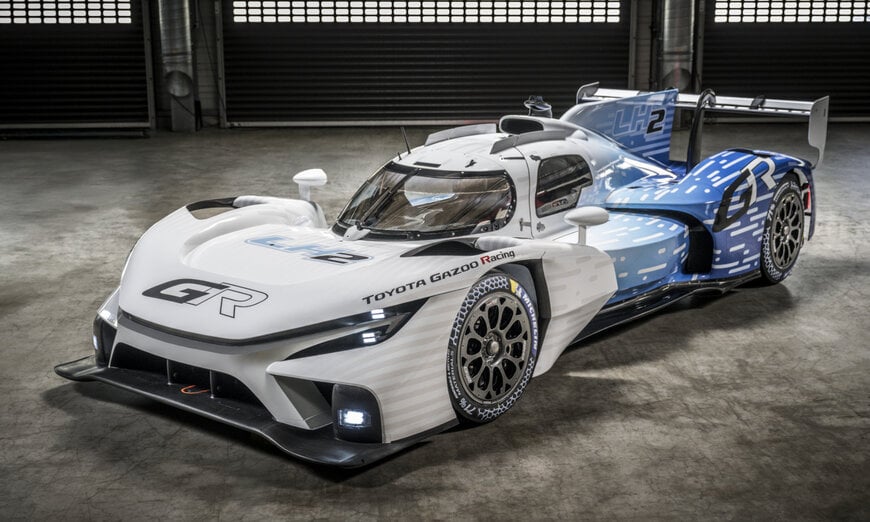
Photo Credit: Toyota
The transition to zero-emission mobility demands robust fuel containment. Hydrogen storage tanks represent the critical engineering component for safe, high-performance operation under extreme mechanical stress. By managing both gaseous compression and cryogenic temperatures, these systems ensure that high-speed vehicles can sustain prolonged operation without compromising structural integrity or driver safety.
Current Technology Market Landscape
Modern hydrogen containment relies on either Type IV carbon-fibre reinforced polymer vessels for gaseous states or double-walled vacuum-insulated vessels for cryogenic liquid storage. In extreme load scenarios, high-pressure regulation units must manage flows at pressures between 350 and 700 bar. This requires advanced material science to prevent hydrogen embrittlement while delivering mass flow rates sufficient for high-output combustion engines. Engineers must balance the volumetric energy density with the physical footprint of the tanks within sustainable vehicle infrastructure.
Core Market Challenge
The primary difficulty in hydrogen storage under extreme loads is thermal and structural management. Gaseous systems face massive internal pressures that can cause material fatigue during repeated refuelling cycles. Conversely, liquid hydrogen requires constant cryogenic temperatures below -253 degrees Celsius, leading to boil-off gas management issues. These thermal fluctuations, combined with the extreme vibrational and g-force loads experienced during competitive racing or heavy industrial operation, create a complex packaging and safety challenge.
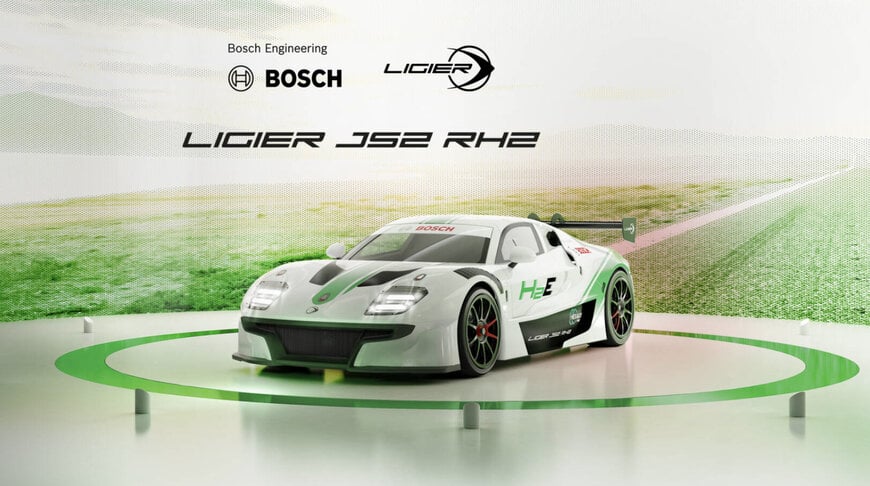
Photo Credit: Ligier
Existing Technology Solutions
Each manufacturer has taken a distinct approach to hydrogen storage tanks. The JCB Hydromax uses a bespoke high-pressure regulation system to manage extreme gaseous hydrogen loads, ensuring precise mass flow for its twin 800-horsepower combustion engines. In contrast, Toyota Gazoo Racing shifted its focus to a dedicated liquid hydrogen and hybrid powertrain for endurance racing with its GR LH2 Racing Concept. Based on their championship-winning GR010 Hypercar platform, this prototype requires serious re-engineering of double-walled vacuum-insulated cryogenic tanks and thermal management systems to handle liquid hydrogen at -253°C. Ligier Automotive utilises a highly integrated approach in its JS2 RH2, encasing compressed gaseous hydrogen tanks within carbon-fibre crash structures capable of withstanding high pressures, while actively developing next-generation liquid hydrogen cryogenic containment.
Actual implementation on the ground
JCB Hydromax deployed its hydrogen storage system during its land speed record testing programme, subjecting the component to immense g-forces and vibrations while achieving sustained high-speed runs. Toyota Gazoo Racing unveiled the liquid hydrogen-fueled GR LH2 Racing Concept at the 24 Hours of Le Mans, transitioning their technology from earlier Super Taikyu testbeds into a true Le Mans prototype designed to evaluate cryogenic safety and mass flow under extreme World Endurance Championship (WEC) track stress.Ligier Automotive implemented its integrated Bosch-partnered storage tanks in the Ligier JS2 RH2 test vehicle, conducting extensive track validations and demonstration laps at the 24 Hours of Le Mans to evaluate safety systems under extreme track stress.
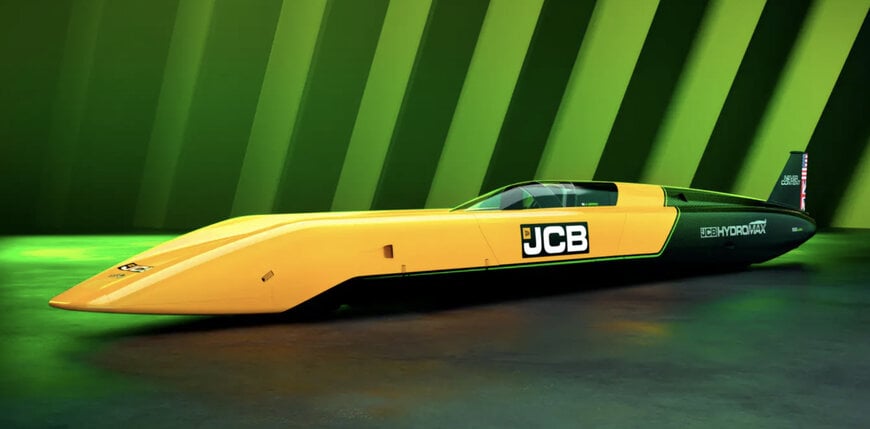
Photo Credit: JCB
Summary and Strategic Future Outlook
As advanced hydrogen storage systems evolve, they will influence broader commercial and heavy-duty industrial applications. The shift towards liquid hydrogen offers significant packaging and range improvements, but gaseous Type IV tanks remain a highly viable solution for extreme loads. Continuous innovation in tank geometry, crash protection, and thermal insulation will define the next generation of zero-emission mobility.
Edited by Maria Brueva, Induportals editor – adapted by AI.
www.auto-innovations.net
The transition to zero-emission mobility demands robust fuel containment. Hydrogen storage tanks represent the critical engineering component for safe, high-performance operation under extreme mechanical stress. By managing both gaseous compression and cryogenic temperatures, these systems ensure that high-speed vehicles can sustain prolonged operation without compromising structural integrity or driver safety.
Current Technology Market Landscape
Modern hydrogen containment relies on either Type IV carbon-fibre reinforced polymer vessels for gaseous states or double-walled vacuum-insulated vessels for cryogenic liquid storage. In extreme load scenarios, high-pressure regulation units must manage flows at pressures between 350 and 700 bar. This requires advanced material science to prevent hydrogen embrittlement while delivering mass flow rates sufficient for high-output combustion engines. Engineers must balance the volumetric energy density with the physical footprint of the tanks within sustainable vehicle infrastructure.
Core Market Challenge
The primary difficulty in hydrogen storage under extreme loads is thermal and structural management. Gaseous systems face massive internal pressures that can cause material fatigue during repeated refuelling cycles. Conversely, liquid hydrogen requires constant cryogenic temperatures below -253 degrees Celsius, leading to boil-off gas management issues. These thermal fluctuations, combined with the extreme vibrational and g-force loads experienced during competitive racing or heavy industrial operation, create a complex packaging and safety challenge.
Photo Credit: Ligier
Existing Technology Solutions
Each manufacturer has taken a distinct approach to hydrogen storage tanks. The JCB Hydromax uses a bespoke high-pressure regulation system to manage extreme gaseous hydrogen loads, ensuring precise mass flow for its twin 800-horsepower combustion engines. In contrast, Toyota Gazoo Racing shifted its focus to a dedicated liquid hydrogen and hybrid powertrain for endurance racing with its GR LH2 Racing Concept. Based on their championship-winning GR010 Hypercar platform, this prototype requires serious re-engineering of double-walled vacuum-insulated cryogenic tanks and thermal management systems to handle liquid hydrogen at -253°C. Ligier Automotive utilises a highly integrated approach in its JS2 RH2, encasing compressed gaseous hydrogen tanks within carbon-fibre crash structures capable of withstanding high pressures, while actively developing next-generation liquid hydrogen cryogenic containment.
Actual implementation on the ground
JCB Hydromax deployed its hydrogen storage system during its land speed record testing programme, subjecting the component to immense g-forces and vibrations while achieving sustained high-speed runs. Toyota Gazoo Racing unveiled the liquid hydrogen-fueled GR LH2 Racing Concept at the 24 Hours of Le Mans, transitioning their technology from earlier Super Taikyu testbeds into a true Le Mans prototype designed to evaluate cryogenic safety and mass flow under extreme World Endurance Championship (WEC) track stress.Ligier Automotive implemented its integrated Bosch-partnered storage tanks in the Ligier JS2 RH2 test vehicle, conducting extensive track validations and demonstration laps at the 24 Hours of Le Mans to evaluate safety systems under extreme track stress.
Photo Credit: JCB
Summary and Strategic Future Outlook
As advanced hydrogen storage systems evolve, they will influence broader commercial and heavy-duty industrial applications. The shift towards liquid hydrogen offers significant packaging and range improvements, but gaseous Type IV tanks remain a highly viable solution for extreme loads. Continuous innovation in tank geometry, crash protection, and thermal insulation will define the next generation of zero-emission mobility.
Edited by Maria Brueva, Induportals editor – adapted by AI.
www.auto-innovations.net
